Chewed citrus can be a clue to roof-rat activity, but it does not prove rats are inside your home. For Orlando residents with fruit trees near a garage, patio or roofline, the useful next step is to document where the damage occurs and arrange an inspection if there are also signs around the building.
What fruit damage can tell you
Roof rats climb and may feed on oranges and other fruit. A small opening with much of the inside eaten away is one possible sign. UF/IFAS describes roof rats using trees and elevated spaces, including attics. Other animals also damage fruit, so a damaged orange alone is not a reliable species identification.
Keep yard observations separate from indoor evidence. Write down the date, the tree involved and whether damage appeared overnight. From a safe position on the ground, photograph the fruit and any nearby building openings. Do not climb onto a roof or handle droppings to get a closer photograph.
A practical checklist for an Orlando yard
- Collect fallen fruit regularly. Include fruit behind fences, under shrubs and beside sheds, where it is easy to miss.
- Review outdoor food storage. Keep pet food and birdseed in durable, closed containers. Bring pet bowls inside when feeding is finished and close trash lids.
- Look at the route toward the house. Note branches touching the roof, dense vegetation along walls and gaps near utility penetrations. A qualified professional can assess pruning or repair needs without damaging the roof or utilities.
- Check shared responsibilities. In a townhome or HOA-managed property, ask who maintains shared landscaping, roof edges and adjoining building sections before authorizing work.
- Record indoor signs separately. Note the room, approximate time and location of noises or visible damage. A sound overhead does not by itself identify the animal.
When the building needs an inspection
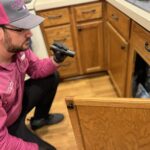
If fruit damage is accompanied by recurring noises, gnawing or suspected droppings inside, request a rodent inspection in Orlando. Tell the inspector what you observed rather than assuming an attic infestation. The assessment should distinguish outdoor feeding from building entry and identify the appropriate next steps.
Avoid treating every opening as an immediate sealing job. Ask the inspector which openings are active and how any exclusion work will be coordinated with removal or control. If the animal may be something other than a rat, start with the wildlife inspection information so the species and situation can be assessed first.
If you find droppings
Keep children and pets away from the area. The CDC advises against dry sweeping or vacuuming rodent urine, droppings and nesting materials because that can put contaminated particles into the air. Follow the CDC’s current cleanup instructions, including protective gloves, disinfectant directions and additional precautions for heavy infestations. Do not disturb contaminated attic insulation or enter an unsafe space to investigate.
Arrange the next step
LydyBug’s rodent and wildlife process starts with a free inspection before a custom quote. Call 407-676-9626 or text your ZIP and what you noticed. We will confirm whether the property is within our service territory and discuss inspection availability. Reading this guide or sending a message does not book service or approve a treatment.
Sources and further reading
- UF/IFAS: Rat and Mouse Control
- University of California IPM: Rats
- CDC: How to Clean Up After Rodents
Prepared by LydyBug Pest Control. Sources checked October 30, 2026. Property-specific recommendations require an inspection.