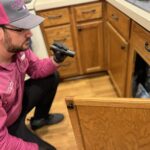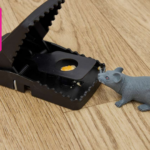
A chewed pantry package is a reason to investigate, not enough evidence to identify a mouse. If you find suspected rodent signs in an Orlando kitchen, protect the food area, record what you can see safely and arrange an inspection when signs recur or the source is unclear. Avoid scattering bait or moving contaminated items through the house.
Start with the place where you found the sign
Make a short record: which cupboard or shelf, what was damaged, the date and whether similar signs appeared elsewhere. A photograph taken without handling waste can help an inspector understand the pattern. Do not pick up suspected droppings to compare their shape. Small droppings, noises or a hole in packaging cannot reliably establish species on their own.
The EPA lists droppings around food packages, in cupboards and under sinks among possible rodent signs. That makes these useful places to describe when requesting help. Keep children and pets away from suspected contamination and do not use visibly contaminated food.
A kitchen-to-garage checklist
- Pantry: Check accessible shelves for damaged packaging. Keep replacement food in sturdy containers with tightly fitting lids rather than relying on an open bag or cardboard box.
- Pet feeding area: Store feed securely and clean up spills. Include the bag stored in a laundry room or garage when you review food sources.
- Under the sink: From a safe position, note visible gaps around pipes, moisture and damaged materials. Report leaks to the appropriate repair professional.
- Garage connection: Note whether food, birdseed or trash is kept beside the door into the house. Record visible door gaps without adjusting garage-door springs, wiring or other equipment.
- Shared building areas: In an Orlando apartment, condo or townhome, tell the property manager where signs occurred and ask who handles common-area inspections. Work inside one unit may not address a shared entry route.
Why a small gap deserves attention
The CDC notes that mice can fit through openings about a quarter-inch wide. A gap that looks too small for a rat may still deserve assessment. This does not mean every crack is an active entry point, or that filling one hole resolves an infestation.
Ask the inspector to distinguish a confirmed travel route from a suspected opening, explain suitable repair materials and coordinate exclusion with any necessary control work. Do not obstruct ventilation, drainage or utility access while attempting a repair. Our Orlando rodent inspection page explains the inspection-first next step.
Clean carefully rather than stirring up dust
Do not dry-sweep or vacuum suspected rodent droppings, urine or nesting materials. The CDC recommends precautions that include gloves, wetting contamination with an appropriate disinfectant and following the product’s contact-time directions. Consult its complete instructions before cleanup. Heavy contamination, inaccessible areas and contaminated ventilation systems need additional assessment; do not move appliances or enter an unsafe space just to inspect behind them.
What to tell LydyBug when you call or text
Send your ZIP, the room involved, when you first noticed signs and whether this is a house or a property with shared walls. Say whether anyone has already placed traps or bait, and where. This helps the team plan the conversation without assuming a diagnosis or promising a treatment before the property is assessed.
Call 407-676-9626 or text your ZIP and observations. LydyBug starts rodent and wildlife service with a free inspection before a custom quote. Confirm your address against our Central Florida service locations; inclusion of a city name does not guarantee every address is covered. Inspection availability is confirmed by the team.
If the signs are outdoors around citrus instead, see our separate guide to rats and citrus trees. Outdoor fruit damage does not establish that rodents are inside.
Sources
- EPA: Identify and Prevent Rodent Infestations
- CDC: How to Seal Up to Prevent Rodents
- CDC: How to Clean Up After Rodents
Prepared by LydyBug Pest Control. Sources checked October 31, 2026. An inspection is required for property-specific recommendations.